
The Allure of High-Stakes Gambling
High-stakes gambling attracts individuals from diverse backgrounds, driven by the thrill and excitement it offers. The prospect of winning large sums of money can seem immensely appealing, acting as a magnet for those that crave adrenaline and risk. The psychological allure of high-stakes gambling is often rooted in the idea that a life-changing win is just a game away, propelling individuals to explore royalreelsonlinecasinoau.com and risk more than they can afford. This desire for large rewards can overshadow the realities of loss, creating a dangerous illusion.
Moreover, high-stakes environments are designed to heighten this allure. From extravagant casinos that drip with luxury to the tension-filled atmosphere at tables where fortunes can shift in mere moments, every detail is crafted to engage the senses. Gamblers often feel a rush of emotion as they place their bets, driven by a mix of hope and fear. This emotional rollercoaster is what keeps many high-stakes players coming back, even when logic suggests they should walk away.
Furthermore, social status plays a significant role in high-stakes gambling psychology. For some players, betting large amounts can be a way to showcase their wealth, power, and social standing. This desire for recognition may compel individuals to gamble at levels that can threaten their financial stability. Ultimately, the combination of thrill, environmental stimuli, and social pressures creates a potent cocktail that can lead to obsessive gambling behavior.
The Cognitive Biases at Play
Cognitive biases significantly influence the decisions of high-stakes gamblers. One prevalent bias is the illusion of control, where players believe they can influence the outcome of games through their decisions or strategies. This bias can lead gamblers to continue wagering, despite losing, as they cling to the notion that their next move will change their fortune. Understanding these biases is crucial for recognizing how they can distort reality and lead to poor decision-making.
Another common cognitive bias in gambling is the gambler’s fallacy, the belief that past outcomes influence future results. For instance, a player may think a certain number is “due” to win after a series of losses, prompting them to place more significant bets. This erroneous thinking often occurs in games like roulette or slots, where outcomes are entirely random. Such misconceptions can create a vicious cycle of further betting and escalating losses.

Moreover, the way information is presented in high-stakes environments can exacerbate these biases. For instance, promotional materials often emphasize winners and display success stories, shaping perceptions that victories are more frequent than they truly are. This skewed representation can mislead gamblers, further entrenching them in a risky mindset that prioritizes the potential for victory over the reality of sustained losses.
The Emotional Rollercoaster: Winning and Losing
High-stakes gambling can evoke profound emotional responses, significantly affecting how players react to winning and losing. Winning can lead to an intense sense of euphoria, reinforcing the behavior and making individuals more likely to continue gambling in hopes of replicating that high. This cycle of emotional highs and lows can be addictive, as players chase the next big win while struggling to cope with the inevitable losses.
Conversely, losing can trigger feelings of frustration, shame, or even despair. A gambler’s response to losses is often shaped by their personal experiences and psychological makeup. Some may develop a “chasing” mentality, where they continue to gamble in an attempt to recover lost funds, risking even more in the process. This emotional connection to gambling can create a precarious situation where rational thinking is clouded by feelings.
Additionally, coping mechanisms can vary significantly among high-stakes gamblers. Some may turn to unhealthy habits or substances to manage their emotions, further complicating the situation. As they oscillate between high and low emotions, it becomes increasingly challenging to break free from the cycle of gambling, reinforcing their dependence on the thrill that high-stakes gambling provides.
The Role of Environment and Social Influence
The environment in which high-stakes gambling takes place plays a crucial role in shaping the psychological experiences of players. Casinos are meticulously designed to create an exciting, immersive atmosphere that stimulates the senses. From the sounds of rolling dice to the vibrant colors of slot machines, every element is intended to keep players engaged and focused on the next big win. This environment can lead to overstimulation, where players lose track of time and money in the heat of the moment.
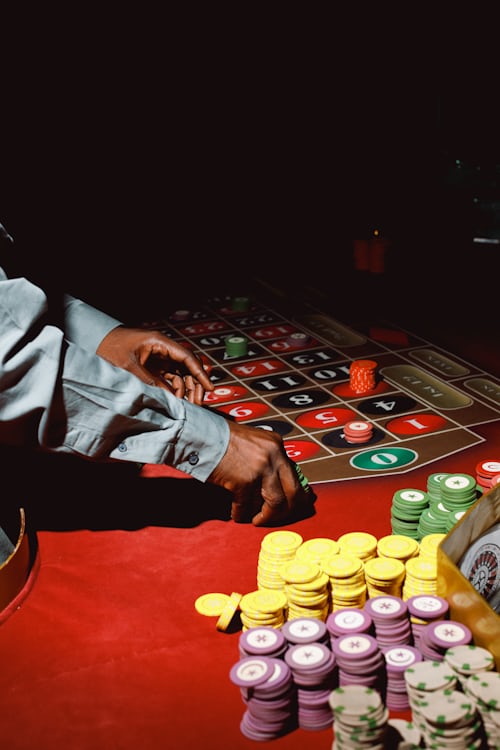
Social influence also significantly impacts the behavior of high-stakes gamblers. Being surrounded by other players can create a sense of camaraderie and competition, intensifying the desire to bet larger amounts. Many high-stakes gamblers find motivation in their peers, often feeling pressured to match the betting behavior of friends or fellow players. This social aspect can create a bubble of shared experience, reinforcing gambling behavior even when individuals know they should stop.
Furthermore, the presence of high-rollers can attract newcomers looking to replicate the success of those around them. The excitement generated by dramatic wins can be contagious, encouraging others to dive into high-stakes gambling with unrealistic expectations. This social and environmental cocktail can blur the lines of personal responsibility, making it easier for individuals to justify their gambling habits regardless of the consequences.
Your Journey Towards Understanding
Understanding the psychology of high-stakes gamblers is essential for anyone looking to navigate this complex world safely. Knowledge of cognitive biases, emotional responses, and the influence of environment can empower individuals to make more informed decisions when it comes to gambling. This awareness can help players recognize when they are being swept up in the thrill, allowing them to step back and assess their behavior critically.
Moreover, fostering a healthy relationship with gambling involves recognizing the risks associated with high-stakes play. It is beneficial for individuals to set limits and create strategies to control their gambling habits. This mindful approach can lead to a more balanced experience, reducing the likelihood of falling into harmful patterns. By understanding oneself and the psychological factors at play, individuals can navigate the world of gambling more responsibly.
In conclusion, the journey towards understanding high-stakes gambling requires both introspection and education. Players must be aware of how their emotions, biases, and social environments impact their gambling behavior. By equipping themselves with this knowledge, individuals can enjoy the thrills of high-stakes gambling while maintaining a healthy perspective that prioritizes responsible play and well-being.
